How Businesses Can Build a More Responsive Logistics Network
Speed has become a defining factor in modern supply chains. Businesses are operating with tighter project schedules, more distributed inventory, changing customer expectations, and less room for transportation delays. Whether a company is opening new locations, replenishing existing facilities, completing renovations, distributing equipment, or coordinating installations across multiple markets, getting products closer to their final destination can create a significant operational advantage.
That is where local fulfillment logistics has become increasingly important.
Rather than relying exclusively on centralized distribution centers and long-distance transportation for every shipment, businesses are building more flexible networks that combine regional warehousing, inventory staging, local transportation, cross-docking, and final-mile delivery. A strong local fulfillment logistics strategy gives companies the ability to position inventory closer to where it will ultimately be needed and respond more quickly when schedules change.
For organizations, faster delivery is about much more than convenience. It can determine whether a store opens on schedule, a renovation stays on track, equipment arrives before an installation crew, or a multi-location rollout meets its deadline.
The goal of local fulfillment logistics is therefore not simply to move freight faster. It is to build a logistics network capable of responding faster.
Why Local Fulfillment Is Becoming a Priority
Traditional distribution models often depend heavily on centralized inventory. Products arrive at one or several major distribution centers before traveling significant distances to their final destinations.
That structure can be efficient for predictable demand. But businesses increasingly operate in environments where schedules change quickly.
Construction timelines move. Installation dates shift. Individual locations become ready at different times. Purchase orders arrive out of sequence. Backorders affect certain sites while others can move forward. Transportation capacity changes.
A more distributed local fulfillment logistics model creates additional options when those situations occur.
Inventory can be staged regionally, consolidated closer to destination markets, and released according to actual project requirements. Instead of every delivery depending on a long-distance move from a central warehouse, local fulfillment logistics can create shorter, more manageable final delivery routes.
That flexibility is particularly valuable for organizations managing multiple facilities or simultaneous projects.
A retailer completing a 100-store fixture rollout, for example, may not want every shipment moving independently from one national distribution center directly to each store. A local fulfillment logistics strategy can allow products to move into regional staging locations before being organized and released according to individual store schedules.
The same principle applies across hospitality renovations, healthcare equipment deployments, commercial installations, and other complex rollouts.
Regional Warehousing Creates a Foundation for Speed
One of the most important components of local fulfillment logistics is access to strategically located warehouse capacity.
Regional warehouses allow businesses to move freight closer to its eventual destination before the exact delivery date arrives. That changes the role of transportation from one long, time-sensitive movement into a coordinated series of moves. With the right local fulfillment logistics network, inventory can travel long distance during a broader transportation window and then be staged locally until the destination is ready.
This can reduce the risk associated with relying on a single long-haul shipment to meet a narrow delivery appointment.
Regional warehousing also gives project teams greater control over inventory. Products can be received, inspected, organized, labeled, consolidated, and prepared before final delivery.
For companies operating across many markets, local fulfillment logistics does not necessarily mean owning warehouses in every city. A logistics partner with an established network of warehousing and transportation resources can provide access to regional capacity when and where projects require it. That creates scalability without requiring businesses to build a permanent physical footprint in every market they serve.
Local Fulfillment Logistics Can Reduce Final-Mile Complexity
The final mile is often one of the most operationally sensitive portions of a shipment.
Unlike traditional dock-to-dock transportation, commercial final-mile deliveries may involve strict appointments, limited receiving hours, construction environments, shopping centers, hotels, medical facilities, office buildings, or active retail locations.
This makes local fulfillment logistics particularly valuable.
When freight is already positioned within the destination market, transportation teams have greater flexibility to coordinate around site requirements. Inventory can be released from a local warehouse according to scheduled delivery windows rather than traveling hundreds or thousands of miles immediately before an appointment.
A well-designed local fulfillment logistics program can also support specialized equipment and delivery requirements.
Depending on the project, that may include liftgate service, inside delivery, white glove handling, debris removal, room-of-choice placement, fixture delivery, equipment positioning, or coordination with installation crews. For businesses, the value of local fulfillment logistics comes from connecting these services rather than managing them as isolated transportation transactions.
Cross-Docking Keeps Freight Moving
Not every shipment needs long-term storage. In many situations, local fulfillment logistics is most effective when inventory moves through a regional facility quickly.
Cross-docking allows inbound freight to arrive at a warehouse or logistics facility, be sorted or consolidated, and then move outbound without spending significant time in storage. This can make local fulfillment logistics especially effective for high-volume distribution programs.
For example, multiple inbound shipments from different manufacturers can arrive at a regional cross-dock facility. Products can then be reorganized by destination before final delivery. Instead of each supplier independently coordinating transportation to every project location, local fulfillment logistics creates a centralized point for regional coordination.
The result is a more controlled flow of freight and fewer disconnected deliveries arriving at the destination.
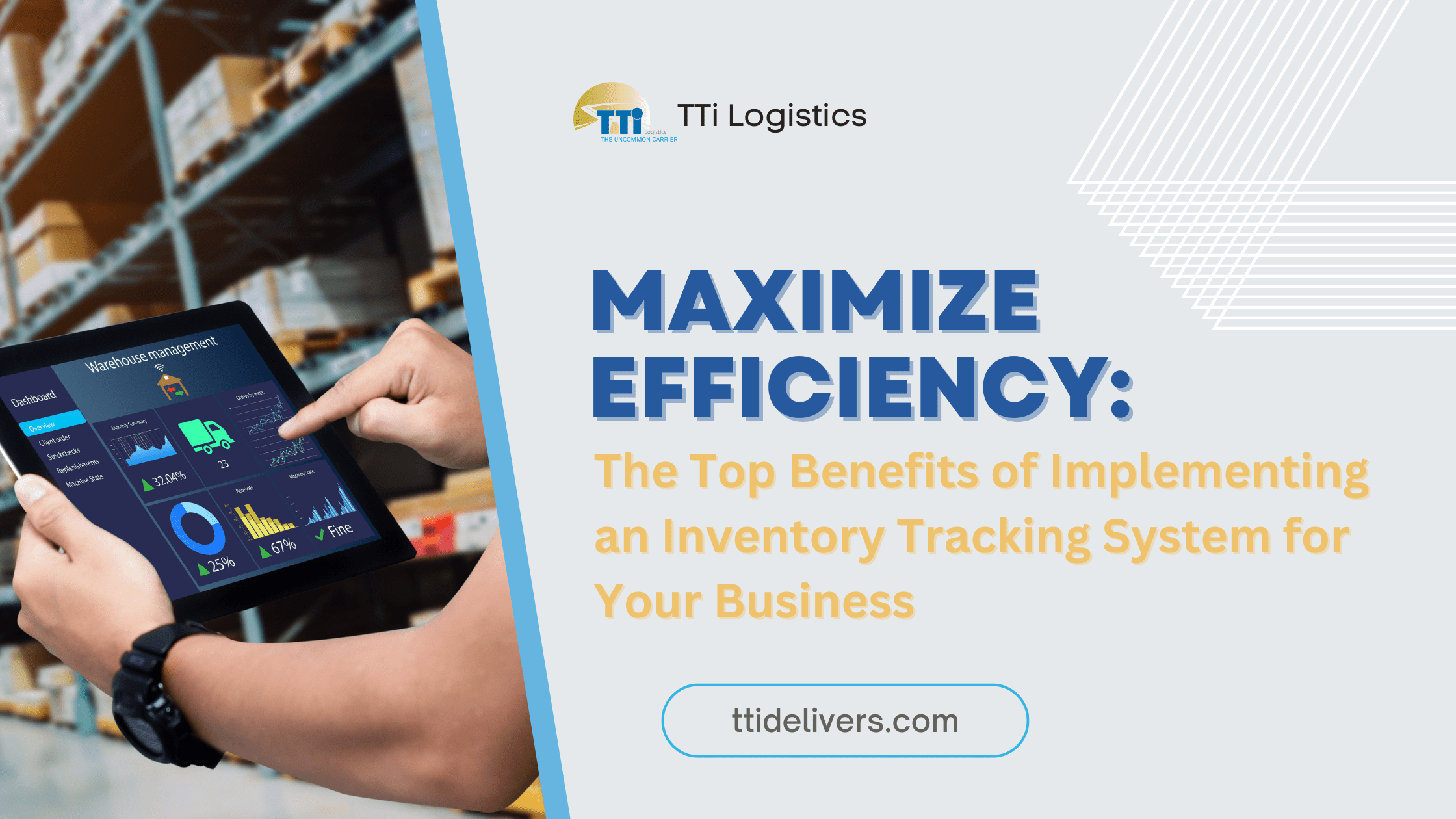
Inventory Visibility Is Critical
Moving inventory closer to customers or project sites only creates value if businesses know where that inventory is. Visibility must therefore be a central component of local fulfillment logistics.
Project teams need to understand:
- What has arrived.
- What remains in transit.
- What is staged at each warehouse.
- What is ready to release.
Without that information, distributed inventory can create additional complexity rather than reducing it. Effective local fulfillment logistics connects physical inventory movement with accurate tracking and communication.
For project-based logistics, PO-level visibility can be particularly important. If a shipment contains fixtures, furniture, equipment, signage, or other components required for a specific location, teams need to identify whether the complete order is available before scheduling delivery.
Strong local fulfillment logistics processes help teams answer several important questions quickly:
- What is available?
- Where is it located?
- What is missing?
- Which destinations are ready?
- What can move now?
Those answers support faster operational decisions.
Faster Does Not Mean Sending Everything Immediately
One of the biggest misconceptions about local fulfillment logistics is that speed means delivering freight as soon as it arrives.
In logistics, that can create problems.
A hotel undergoing renovation may not have every floor ready simultaneously. A retail store may still have contractors working inside. A healthcare facility may require equipment to arrive within a specific installation window.
The purpose of local fulfillment logistics is to create responsiveness—not uncontrolled speed.
Sometimes the fastest overall project requires temporarily holding inventory.
By staging freight nearby, local fulfillment logistics allows teams to wait until the site is actually ready and then execute the final delivery quickly.
This distinction is critical. The objective is not simply reducing transit time. It is reducing the time between when a business needs inventory and when the logistics network can successfully deliver it.
That is a much more meaningful measure of local fulfillment logistics performance.
Supporting Multi-Location Rollouts
Large rollouts demonstrate the value of local fulfillment logistics particularly well. Retailers, restaurant groups, hospitality brands, healthcare organizations, and other multi-location businesses often need to coordinate deliveries across dozens or hundreds of destinations. Trying to manage every location independently can quickly become inefficient.
A regional local fulfillment logistics model allows project teams to group locations geographically and establish staging points that support multiple sites.
Inventory can arrive in bulk, be separated according to location, and then released based on the rollout schedule. This gives local fulfillment logistics teams greater control when individual sites move ahead or fall behind.
If one location is delayed, its inventory can remain staged while freight for other ready locations continues moving. That ability to isolate disruptions is one of the most important advantages of local fulfillment logistics for large-scale programs.
Instead of one schedule change disrupting an entire rollout, businesses can adjust individual deliveries while maintaining momentum across the broader project.
Local Fulfillment Logistics and Hospitality Projects
Hospitality renovations present another strong use case for local fulfillment logistics.
Furniture, fixtures, equipment, artwork, electronics, and other materials may originate from many suppliers and arrive at different times. Meanwhile, installation schedules can change as construction progresses.
A local fulfillment logistics strategy allows these products to be received and staged away from the hotel until specific floors, rooms, or project phases are ready.
Inventory can then be organized according to the installation sequence. This prevents project sites from becoming temporary warehouses and helps reduce unnecessary handling. More importantly, local fulfillment logistics can connect warehousing directly with scheduled delivery and installation activity.
Instead of asking, “When did the product arrive?” teams can focus on the more important question: “When does the project need it?”
That shift is fundamental to effective local fulfillment logistics.
Supporting Retail and Commercial Installations
Retail projects frequently involve narrow delivery windows and highly coordinated installation schedules.
Fixtures, displays, signage, millwork, electronics, and other materials may need to arrive before stores open, after they close, or during designated construction windows.
Regional local fulfillment logistics provides a buffer between inbound transportation and those final appointments. Freight can arrive in-market before the installation date, reducing dependence on perfectly timed long-distance transportation. From there, local fulfillment logistics teams can coordinate staged releases based on each store’s schedule. For nationwide programs, this creates a repeatable operational structure.
Instead of developing a new delivery solution for every market, businesses can establish consistent local fulfillment logistics procedures covering receiving, inventory management, staging, delivery, and final-mile execution.
Consistency becomes particularly important as project volume grows.
Consolidation Can Improve Delivery Efficiency
Faster delivery does not necessarily require more trucks. In fact, effective local fulfillment logistics can sometimes reduce unnecessary transportation by consolidating freight before final delivery.
Products from several suppliers may be required at the same location. Without coordination, each supplier could generate a separate delivery. With local fulfillment logistics, those shipments can potentially be received at a regional facility and consolidated into fewer scheduled deliveries. This can reduce congestion at project sites while simplifying receiving for on-site teams.
For busy commercial environments, this aspect of local fulfillment logistics can be just as valuable as transportation speed.
Installation teams spend less time waiting for separate shipments, project managers have fewer delivery appointments to coordinate, and site operations experience fewer interruptions.
Flexibility Matters When Schedules Change
Few complex projects proceed exactly according to the original schedule. That reality should be built into the logistics plan.
One of the greatest advantages of local fulfillment logistics is the ability to respond when dates change.
If an installation moves forward, nearby inventory may be released sooner. If construction falls behind, freight can remain staged instead of arriving at an unprepared site.
A flexible local fulfillment logistics strategy creates options on both sides of the schedule. Businesses are not forced to choose between delaying an inbound shipment at origin or delivering products before the destination is ready. Instead, local fulfillment logistics creates an intermediate layer where inventory can be controlled.
That buffer can protect both the project schedule and the freight itself.
Choosing the Right Logistics Partner
Building an effective local fulfillment logistics strategy requires more than warehouse space.
Businesses should evaluate whether a logistics provider can coordinate transportation, receiving, inventory management, cross-docking, final-mile delivery, specialized handling, and project communication as one connected process.
Network coverage also matters.
A scalable local fulfillment logistics partner should be capable of supporting projects across multiple markets without requiring the customer to manage a different logistics relationship in every city.
Technology and visibility are equally important.
Businesses need a local fulfillment logistics partner capable of providing accurate inventory information and communicating changes quickly.
Experience with complex environments can also make a significant difference. Delivering fixtures to an active retail store or FF&E to a hotel renovation is fundamentally different from delivering standard freight to a distribution center.
The right local fulfillment logistics partner understands those differences and plans accordingly.
How TTi Logistics Supports Local Fulfillment
TTi Logistics helps businesses build flexible distribution strategies designed around real-world project requirements.
With access to 700+ warehouses across the country, TTi gives businesses the ability to position inventory closer to where it is needed without building or managing their own network of regional facilities. This nationwide reach creates a strong foundation for local fulfillment logistics, allowing inventory to be staged strategically based on project locations, delivery schedules, and changing operational needs.
Through this extensive warehousing network and nationwide transportation resources, TTi can support local fulfillment logistics programs involving regional warehousing, inventory staging, cross-docking, consolidation, transportation, final-mile delivery, white glove service, and coordinated installation.
For businesses managing retail rollouts, hospitality renovations, commercial installations, equipment deployments, or other multi-location programs, that network provides the flexibility to establish regional staging points around the needs of each project.
Inventory can be positioned closer to destination markets, staged until individual sites are ready, and released according to actual project schedules. If one location falls behind while another moves ahead, TTi can help adjust the flow of inventory accordingly.
That means local fulfillment logistics becomes more than a faster delivery strategy. It becomes a way to create greater control and flexibility across an entire project.
When schedules accelerate, locations change, or individual sites experience delays, businesses need logistics infrastructure capable of adapting with them. With access to 700+ warehouses nationwide, combined with transportation, inventory visibility, final-mile coordination, and specialized handling capabilities, TTi provides the infrastructure businesses need to support faster local delivery without sacrificing control.