Key Global Logistics Trends Shaping the Year Ahead
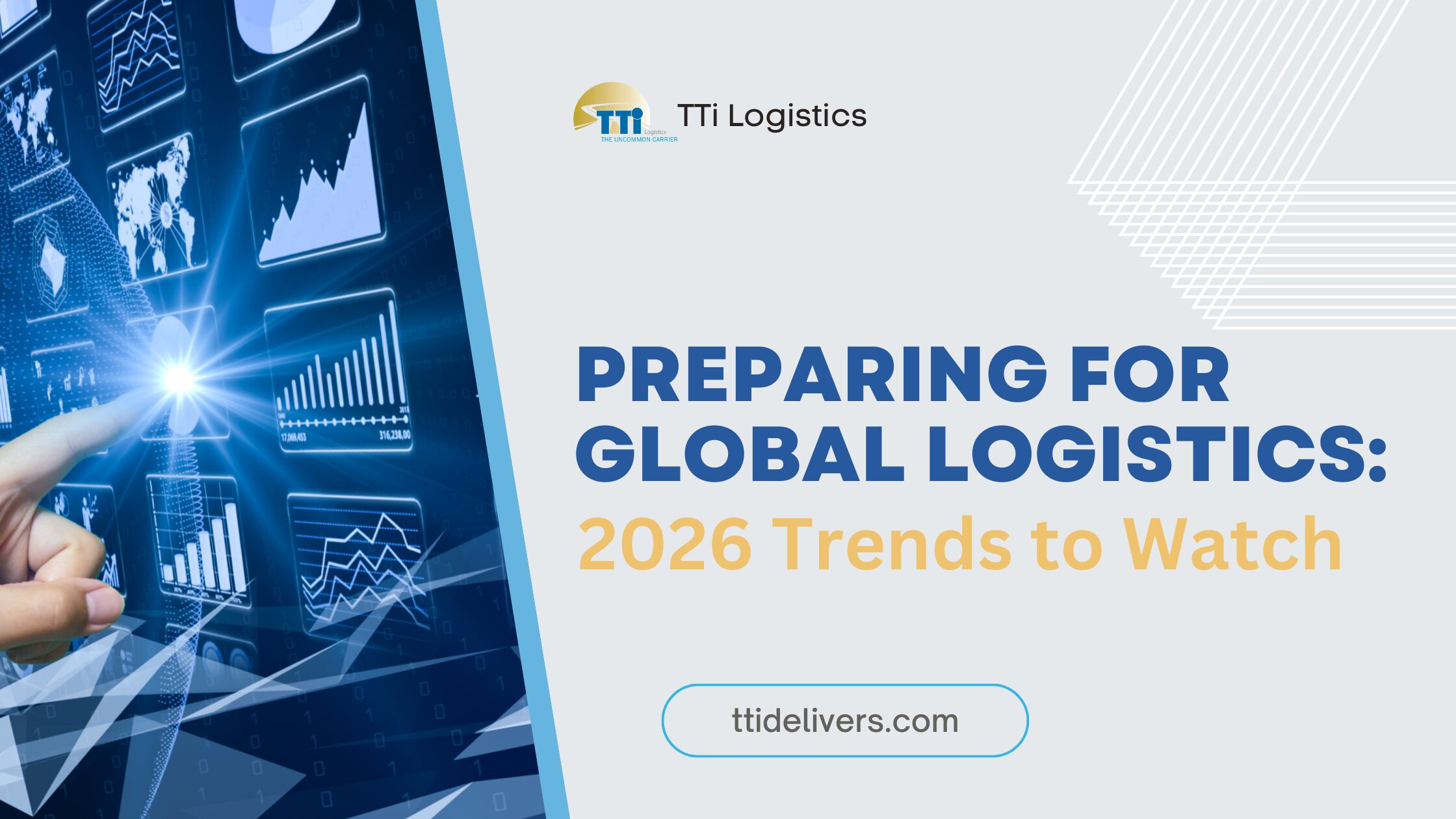
As the global economy evolves, logistics remains at the heart of supply chain success. Companies that anticipate changes, adopt new technologies, and adjust strategies proactively will be best positioned to thrive. As we look ahead to 2026, understanding emerging 2026 logistics trends is crucial for businesses that want to maintain efficiency, reduce costs, and enhance customer satisfaction.
In this blog, we explore the top 2026 logistics trends that will shape global supply chains and highlight how businesses can prepare to stay competitive. From technological innovations to sustainability initiatives, these 2026 logistics trends provide actionable insights for companies of all sizes.
1. The Rise of Advanced Automation
Automation continues to transform logistics, with robotics, AI-driven warehouse management, and automated picking systems leading the charge. By 2026, these technologies will become increasingly mainstream, driving faster processing, reduced labor costs, and higher accuracy — all key components of the evolving 2026 logistics trends.
Automated systems enable warehouses to handle larger volumes of orders efficiently while minimizing errors. AI-powered analytics optimize storage layouts, inventory placement, and picking paths, ensuring operations remain lean and responsive.
TTi Logistics integrates advanced automation across its warehouses, enhancing efficiency and accuracy for clients. Leveraging these technologies aligns with the broader 2026 logistics trends of digitization and smart operations, allowing businesses to scale while maintaining quality.
2. Sustainability and Green Logistics
Sustainability will remain a major focus in 2026, as consumers, regulators, and investors increasingly demand environmentally responsible operations. Companies will prioritize reducing carbon emissions, implementing energy-efficient practices, and optimizing transportation for lower environmental impact.
Green logistics strategies are among the most influential 2026 logistics trends, including using electric or hybrid vehicles, consolidating shipments to reduce fuel consumption, and adopting eco-friendly packaging. Multi-warehouse fulfillment also contributes by positioning inventory closer to customers, reducing transit distances and emissions.
TTi Logistics helps businesses integrate sustainable practices across their supply chains, enabling companies to meet 2026 logistics trends while improving operational efficiency and customer satisfaction.
3. Growth of Multi-Warehouse Fulfillment
Multi-warehouse fulfillment is becoming a cornerstone of modern logistics. With growing e-commerce demand and expectations for rapid delivery, strategically distributed warehouses enable businesses to reduce delivery times and costs — a key focus among 2026 logistics trends.
By placing inventory near key demand centers, companies can fulfill orders faster, cut fuel usage, and increase resilience in case of disruptions. Multi-warehouse strategies also support returns and reverse logistics, allowing products to be processed locally for faster turnaround.
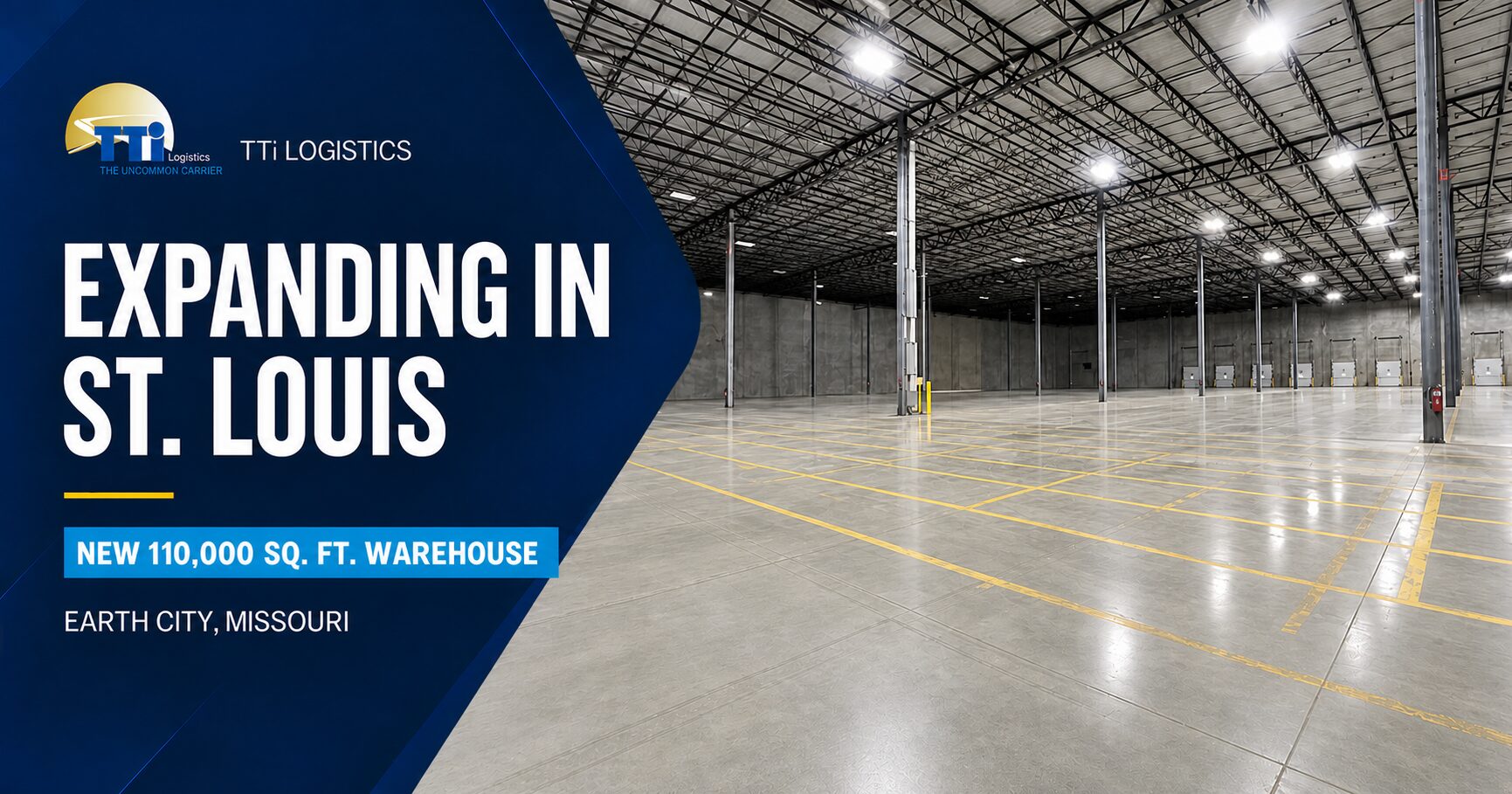
TTi Logistics’ network of over 700 warehouses nationwide provides businesses with the flexibility to adopt multi-warehouse fulfillment, aligning with evolving 2026 logistics trends focused on speed, efficiency, and sustainability.
4. Increased Use of AI and Data Analytics
Data-driven decision-making will dominate logistics in 2026. AI and advanced analytics enable predictive insights into demand, inventory management, and transportation planning. Companies that leverage real-time data can anticipate disruptions, optimize routes, and reduce costs — all in line with key 2026 logistics trends.
Predictive analytics also supports risk management. By analyzing historical patterns and external factors, businesses can forecast delays, demand surges, or supply shortages, allowing proactive measures.
TTi Logistics uses AI and analytics to provide clients with actionable insights, from inventory positioning to route optimization, keeping operations aligned with the latest 2026 logistics trends and enhancing supply chain resilience.
5. E-Commerce Acceleration and Consumer Expectations
E-commerce growth continues to shape logistics trends. By 2026, consumers will expect faster delivery, flexible shipping options, and accurate tracking — major drivers of 2026 logistics trends.
To stay competitive, companies must invest in agile logistics networks capable of handling high-volume, small-package shipments efficiently. Multi-warehouse fulfillment, automated sorting systems, and real-time tracking are critical to meeting consumer demands.
TTi Logistics provides solutions tailored for e-commerce, combining speed, accuracy, and visibility to meet the evolving 2026 logistics trends of rapid, reliable fulfillment.
6. Digital Twins and Virtual Supply Chain Modeling
Digital twin technology, which creates a virtual replica of supply chain operations, is gaining traction in logistics. By simulating scenarios, companies can identify inefficiencies, test changes, and optimize operations without disrupting real-world processes — a key highlight in 2026 logistics trends.
Digital twins help businesses plan for seasonal peaks, forecast transportation needs, and model the impact of potential disruptions. TTi Logistics leverages advanced technology platforms to provide clients with insights that improve operational efficiency and reduce risk, making digital twin modeling a practical tool for the modern supply chain aligned with 2026 logistics trends.
7. Blockchain for Transparency and Security
Supply chain transparency and security are more important than ever. Blockchain technology offers a secure, immutable record of transactions, improving traceability, reducing fraud, and ensuring compliance with regulations — all central to emerging 2026 logistics trends.
By 2026, more businesses will adopt blockchain to track shipments, verify sourcing, and enhance accountability across complex global networks. Transparent operations build trust with partners, regulators, and consumers, while also reducing the risk of disruptions.
TTi Logistics supports clients by integrating tracking technologies and secure systems that align with 2026 logistics trends, ensuring data integrity and operational visibility across all supply chain stages.
8. Resilience in the Face of Disruptions
Global logistics in 2026 will continue to face uncertainties — from geopolitical tensions to natural disasters and economic fluctuations. Supply chain resilience will be a critical focus and a key element of 2026 logistics trends, requiring flexible networks, backup plans, and responsive operations.
Businesses can enhance resilience by diversifying suppliers, adopting multi-warehouse fulfillment, and leveraging data analytics for predictive planning. This approach allows companies to respond quickly to disruptions without compromising service or sustainability goals.
TTi Logistics brings decades of experience managing complex logistics networks, helping businesses maintain reliability and continuity while keeping pace with 2026 logistics trends that prioritize resilience and adaptability.
9. Integration of IoT and Smart Sensors
The Internet of Things (IoT) is revolutionizing logistics by providing real-time monitoring of inventory, shipments, and warehouse conditions. Smart sensors track temperature, humidity, and handling conditions, ensuring sensitive or high-value products are managed correctly — a notable factor in 2026 logistics trends.
IoT devices also provide actionable data on equipment usage, energy consumption, and operational efficiency. This visibility helps businesses reduce waste, prevent damage, and achieve sustainability targets.
TTi Logistics integrates IoT and smart technology to enhance visibility and control across the supply chain, ensuring clients can monitor, optimize, and adjust operations in real time, in alignment with 2026 logistics trends.
10. Workforce Evolution and Skills Development
While technology continues to advance, skilled human labor remains critical. By 2026, logistics workforces will need expertise in data analytics, automation management, and sustainability practices — reflecting broader 2026 logistics trends.
Companies that invest in training and development will be better equipped to handle technological and operational changes. TTi Logistics combines technology with experienced logistics professionals, ensuring that teams are capable of managing complex networks, optimizing operations, and delivering exceptional service.
11. Collaboration Across the Supply Chain
Collaborative logistics will gain prominence in 2026. Businesses will increasingly work closely with suppliers, carriers, and third-party providers to optimize networks, share resources, and reduce redundancies — all key components of 2026 logistics trends.
Collaboration improves efficiency, reduces costs, and enhances sustainability by consolidating shipments, sharing warehouse space, and aligning transportation strategies. Companies that embrace a collaborative mindset are better positioned to respond to the dynamic challenges highlighted in 2026 logistics trends.
TTi Logistics emphasizes partnership and communication across the supply chain, enabling clients to leverage shared expertise and infrastructure for superior results.
12. Preparing Your Business for 2026 Logistics Trends
To stay ahead in 2026, businesses must proactively adopt emerging logistics strategies:
-
Invest in automation and AI to increase efficiency and accuracy.
-
Integrate sustainable practices, including eco-friendly packaging and energy-efficient operations.
-
Expand multi-warehouse networks to reduce delivery times and emissions.
-
Leverage data analytics, digital twins, and IoT for real-time visibility and predictive planning.
-
Build resilience through diversified suppliers, flexible operations, and collaborative partnerships.
-
Train the workforce for new technologies and evolving operational requirements.
By aligning operations with these 2026 logistics trends, businesses can reduce costs, enhance sustainability, and exceed customer expectations.
Embrace Change to Thrive
The global logistics landscape is evolving rapidly, and businesses that anticipate trends will gain a competitive edge in 2026. From automation and AI to sustainability and multi-warehouse fulfillment, the opportunities to optimize operations, reduce environmental impact, and enhance customer satisfaction are immense.
TTi Logistics combines technology, expertise, and national reach to help businesses navigate these changes successfully. By staying informed, adopting emerging 2026 logistics trends, and partnering with experienced providers, companies can turn logistics challenges into strategic advantages.
Preparing for 2026 means embracing innovation, prioritizing resilience, and integrating sustainable practices — all while ensuring operational excellence. The companies that succeed will be those that leverage the full spectrum of 2026 logistics trends to create agile, efficient, and customer-focused supply chains.