Why Final-Mile Optimization Has Become a Competitive Necessity
Customers today expect speed. Whether it’s retail fixtures arriving before a store opening, medical equipment reaching a healthcare facility, or technology assets being deployed across multiple locations, delivery expectations continue to rise. The challenge isn’t simply moving freight from Point A to Point B—it’s ensuring products arrive at the right place, at the right time, and in the right condition.
For companies managing large-scale distribution programs, retail rollouts, white glove deliveries, or installation projects, the final mile is often where success or failure is determined.
After 30 years in the logistics industry, TTi Logistics has seen firsthand how businesses struggle when their supply chain infrastructure isn’t prepared for growing delivery demands. The companies that consistently outperform competitors understand that final-mile optimization is not just a transportation strategy. It’s a network strategy.
As customer expectations accelerate and delivery windows tighten, organizations must evaluate whether their existing logistics network is capable of supporting faster execution. Effective final-mile optimization begins long before a truck arrives at a delivery location. It starts with network design, warehouse positioning, inventory management, technology visibility, and coordination across every stakeholder involved in the delivery process.
The Growing Pressure on Final-Mile Operations
The final mile represents the last stage of a shipment’s journey, but it often accounts for the greatest complexity.
Businesses today face:
- Shorter delivery windows
- Increased customer expectations
- Labor shortages
- Rising transportation costs
- More installation and white glove requirements
- Greater demand for delivery visibility
These challenges make final-mile optimization more important than ever.
A delayed shipment can create a ripple effect throughout an entire project. Retail stores may postpone openings. Installation crews may sit idle. Construction schedules can shift. Customers can lose confidence.
Organizations that prioritize final-mile optimization reduce these risks by creating a delivery network designed for speed, flexibility, and visibility.
Start With Strategic Warehouse Positioning
One of the biggest mistakes companies make is assuming transportation alone drives faster deliveries.
In reality, warehouse placement often has a greater impact.
When inventory is stored closer to delivery destinations, transit times decrease and transportation costs can be reduced. Strategic warehouse positioning allows businesses to respond faster to changing customer demands while creating greater flexibility during peak periods.
Successful final-mile optimization often involves evaluating:
- Current customer concentrations
- Growth markets
- Service level requirements
- Inventory velocity
- Delivery density
Companies that maintain inventory hundreds of miles away from customers frequently encounter avoidable delays. By utilizing regional warehousing strategies, businesses can create a stronger foundation for final-mile optimization and improve delivery responsiveness.
With access to over 700 warehouse locations across North America, TTi helps organizations create network strategies that support both immediate delivery needs and long-term growth objectives.
Improve Inventory Visibility Across the Network
In today’s supply chain environment, visibility extends far beyond knowing whether inventory is in stock. Organizations need insight into where products are located, how quickly they can be deployed, and whether they are positioned to support upcoming projects or customer demands. Without this level of transparency, businesses often find themselves making decisions based on outdated information, which can create delays and unnecessary transportation expenses.
For companies managing multi-site projects, inventory visibility becomes even more critical. Retail fixture programs, healthcare deployments, and technology rollouts often involve products arriving from multiple suppliers and moving through several facilities before reaching their final destination. A centralized view of inventory helps teams coordinate deliveries more effectively and supports stronger final-mile optimization throughout the project lifecycle.
Additionally, inventory visibility allows organizations to identify slow-moving stock, reduce excess storage costs, and improve forecasting accuracy. By understanding where inventory sits within the network, businesses can make more informed decisions that support both operational efficiency and customer satisfaction.
Build Flexible Transportation Capacity
Transportation demand rarely remains consistent throughout the year. Seasonal surges, product launches, store openings, and expansion initiatives can quickly create capacity challenges that strain even well-established logistics networks. Organizations that rely on a limited number of carriers often find themselves competing for available equipment when demand spikes.
A diversified transportation strategy helps mitigate these risks. Maintaining access to multiple transportation modes, regional carriers, dedicated fleets, and specialized providers creates greater flexibility when schedules shift or volumes increase. This adaptability plays a significant role in successful final-mile optimization because it allows businesses to maintain service levels regardless of changing conditions.
Flexibility also helps organizations respond to unexpected opportunities. Whether opening new locations, supporting a customer expansion, or managing an accelerated project timeline, businesses with scalable transportation resources can move faster and execute with greater confidence.
Coordinate Deliveries With Installation Teams
Many final-mile challenges occur because logistics and installation teams operate on separate schedules. A shipment may arrive on time from a transportation perspective but still create project delays if installers are unavailable or the site is not ready to receive materials. True final-mile optimization requires alignment between transportation planning and field execution.
Creating shared communication channels between logistics coordinators, project managers, installers, and site contacts can significantly improve delivery performance. Regular status updates, milestone tracking, and proactive scheduling adjustments help ensure everyone is working from the same information.
This level of coordination becomes especially important during large-scale rollout programs where dozens or even hundreds of locations must be completed within a compressed timeline. Small scheduling conflicts can quickly compound, making synchronization a critical component of successful project execution.
Utilize Staging and Consolidation Strategies
Staging facilities provide more than temporary storage. They serve as control points that help organizations manage complexity before products enter the final mile. By consolidating shipments from multiple suppliers into a single location, businesses can verify inventory accuracy, inspect product condition, and prepare shipments for efficient deployment.
For large rollout projects, staging can significantly reduce the risk of incomplete deliveries. Instead of coordinating multiple inbound shipments directly to a job site, teams can ensure all required materials are available before scheduling delivery and installation. This approach improves project consistency and supports stronger final-mile optimization across multiple locations.
Consolidation also helps reduce transportation costs by minimizing partial shipments and creating more efficient delivery schedules. The result is greater operational control and a more predictable customer experience.
Leverage Technology for Greater Visibility
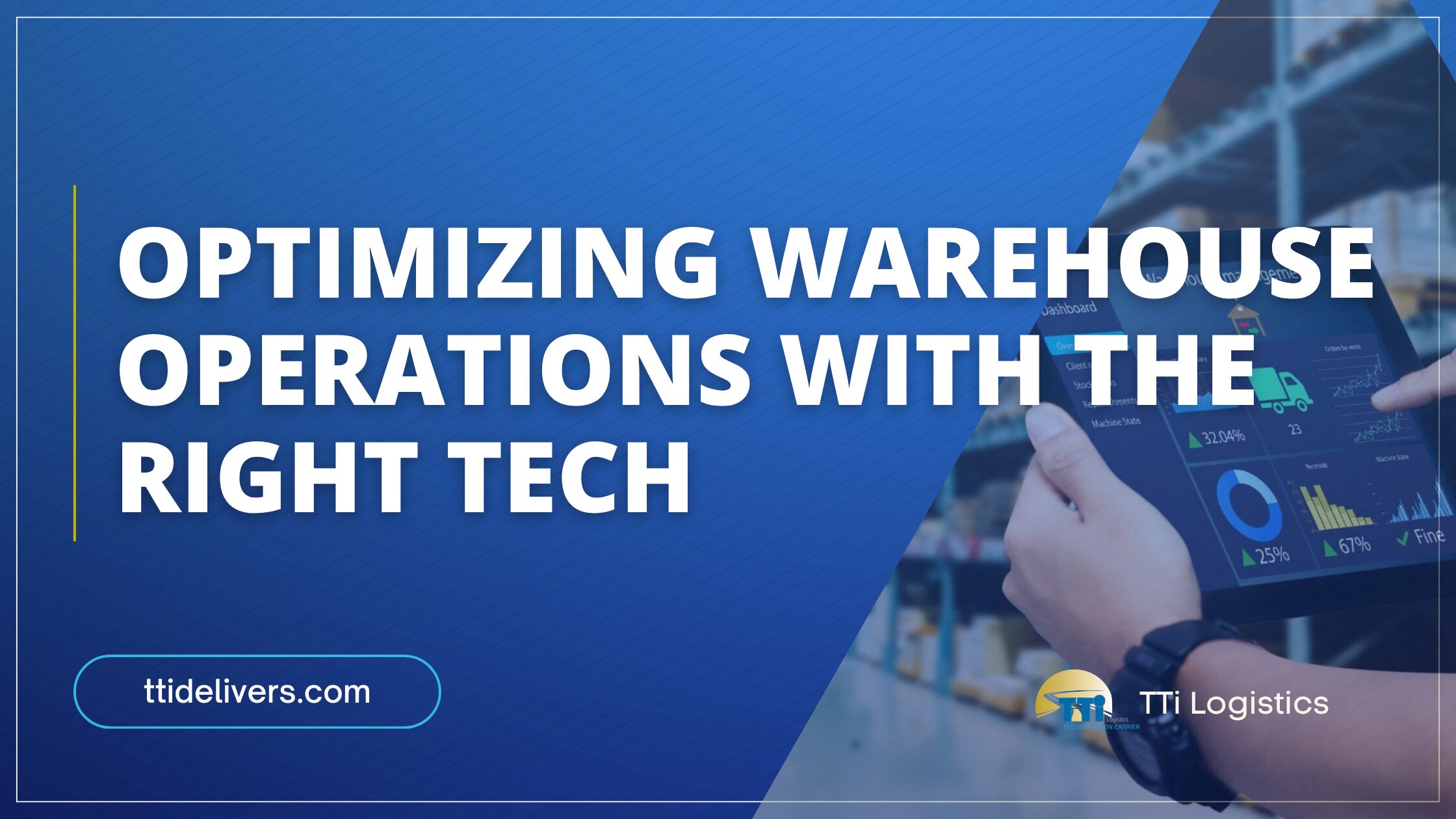
Technology has become one of the most valuable tools available for improving final-mile optimization. Modern logistics platforms provide real-time visibility that allows businesses to track shipments, monitor inventory, and identify potential disruptions before they impact customers.
Access to live data helps organizations make faster decisions. Instead of waiting for manual updates, teams can view shipment progress, delivery status, and inventory availability through centralized dashboards. This visibility reduces uncertainty and improves responsiveness across the supply chain.
Technology also enhances communication with customers and project stakeholders. Automated notifications, proof-of-delivery reporting, and milestone tracking create greater transparency while reducing the administrative burden on logistics teams. As delivery expectations continue to evolve, organizations that invest in visibility technology will be better positioned to meet customer demands.
Focus on White Glove Service Requirements
White glove deliveries require a level of planning and execution that extends well beyond traditional transportation. In many industries, the delivery itself is only one part of the customer experience. Products may need to be unpacked, assembled, installed, positioned, or inspected before a project can be considered complete.
Because of these additional requirements, white glove services often involve greater coordination between warehouse teams, transportation providers, installers, and site personnel. Successful final-mile optimization ensures all parties understand project expectations and have the resources necessary to execute efficiently.
Companies that underestimate the complexity of white glove deliveries often encounter costly delays and customer dissatisfaction. Investing in experienced logistics partners with specialized final-mile expertise helps ensure products arrive ready for immediate use while protecting the customer experience.
Create Contingency Plans for Disruptions
Supply chain disruptions are inevitable. Weather events, equipment shortages, labor constraints, traffic conditions, and supplier delays can all impact delivery schedules. The question is not whether disruptions will occur, but how effectively organizations respond when they do.
A proactive contingency strategy helps businesses maintain momentum when challenges arise. Identifying backup warehouse locations, alternative carriers, and secondary routing options before they are needed allows teams to act quickly when disruptions threaten project timelines.
Organizations that incorporate contingency planning into their final-mile optimization strategy are often able to recover faster and minimize customer impact. This preparedness creates a more resilient logistics network capable of maintaining service levels even during periods of uncertainty.
Measure Performance Continuously
Continuous improvement begins with measurement. Organizations that consistently achieve strong delivery performance typically have a clear understanding of how their network is performing and where opportunities for improvement exist.
Tracking key performance indicators provides valuable insight into the effectiveness of final-mile optimization efforts. Metrics such as on-time delivery rates, damage claims, appointment compliance, and installation readiness can reveal trends that might otherwise go unnoticed.
Regular performance reviews also create opportunities for collaboration between logistics providers and customers. By analyzing results together, organizations can identify bottlenecks, implement corrective actions, and build stronger supply chain partnerships that support long-term growth.
Partner With TTi Logistics for Smarter Final-Mile Optimization
At TTi Logistics, we help organizations design logistics strategies that support faster execution, greater visibility, and improved customer experiences.
Whether you’re managing retail rollouts, hospitality projects, healthcare deployments, technology installations, or large-scale distribution programs, our team develops customized solutions that strengthen every stage of the delivery process.
With access to more than 700 warehouse locations, a nationwide transportation network, dedicated fleet resources, white glove capabilities, and over 30 years of logistics expertise, TTi helps clients achieve meaningful final-mile optimization across their entire supply chain.
The final mile may be the last step in the delivery journey, but it’s often the first thing customers remember. Investing in final-mile optimization today can help your organization deliver faster, operate more efficiently, and create a stronger competitive advantage for years to come.