
Why Global Shipping Now Depends on Clear, Connected Data
For years, businesses accepted a simple trade-off in global shipping: once a shipment left the dock, visibility into its status became limited until it arrived — or didn’t. Today, that trade-off is no longer acceptable. Customers expect real-time answers. Retailers expect accurate delivery windows. Hospitals expect to know exactly when critical equipment will arrive. Supply chain transparency has moved from a competitive advantage to a baseline expectation.
Yet many organizations still operate with fragmented visibility. Shipment data lives in one system, warehouse inventory in another, and delivery confirmations arrive through a phone call or an email attachment. The result is a supply chain that looks connected on paper but functions in disconnected pieces. Improving supply chain transparency means closing those gaps — not just adding more tracking numbers, but building a logistics operation where information moves as reliably as the freight itself.
This guide breaks down what supply chain transparency actually means, the pillars that support it, where it matters most across different logistics functions, and how businesses can build it into their operations rather than treating it as an afterthought.
The Hidden Cost of Limited Supply Chain Transparency
Before exploring what strong supply chain transparency looks like, it helps to understand what its absence actually costs a business.
When supply chain transparency is limited, problems don’t disappear — they simply surface later, usually at the worst possible moment. A delayed shipment isn’t identified until a customer calls asking where their order is. A warehouse discrepancy isn’t caught until a delivery crew arrives and the inventory doesn’t match the manifest. A customs hold isn’t flagged until a retail rollout date has already passed.
Each of these situations shares the same root cause: information existed somewhere in the supply chain, but it wasn’t visible to the people who needed it, when they needed it. That is the practical definition of a transparency gap, and it is far more expensive than most businesses realize.
Limited supply chain transparency creates costs that rarely show up as a single line item. They show up as rush freight charges to correct a delay no one saw coming. They show up as idle installation crews waiting on fixtures that were actually sitting in a warehouse the entire time. They show up as lost customer trust when a delivery estimate turns out to be wrong.
Poor supply chain transparency also compounds under pressure. During peak seasons, product launches, or large-scale rollouts, the businesses with the least visibility into their own shipments are the ones most likely to be blindsided by a disruption they could have planned around. Strong supply chain technology and reporting exists precisely to prevent that blind spot.
What Supply Chain Transparency Really Means
Supply chain transparency is often reduced to a single idea: tracking numbers. But real supply chain transparency is broader than knowing where a truck is on a map. It means having accurate, timely, and accessible information about every stage of a shipment’s journey — from the moment inventory is received to the moment it reaches its final destination.
True supply chain transparency answers questions before they need to be asked. Where is this shipment right now? What condition is it in? When will it arrive? What happens if the delivery window changes? Who is responsible for resolving an exception if one occurs?
A supply chain with strong transparency doesn’t just report data — it makes that data usable. There is a meaningful difference between a dashboard that displays hundreds of data points and a logistics partner who can translate those data points into a clear answer about what needs to happen next. Supply chain transparency, at its best, combines both: the data infrastructure to capture accurate information, and the operational expertise to act on it.
This distinction matters because transparency without action is just noise. A business can have access to enormous amounts of shipment data and still lack real supply chain transparency if that data isn’t organized, monitored, and communicated in a way that supports decision-making.
The Four Pillars of Supply Chain Transparency
Building meaningful supply chain transparency requires more than a single tool or system. It depends on four interconnected pillars working together. When one pillar is weak, transparency across the entire operation suffers.
Visibility
Visibility is the foundation of supply chain transparency. It refers to the ability to see where inventory and shipments are at any given point — not just at pickup and delivery, but throughout transit, storage, and handling.
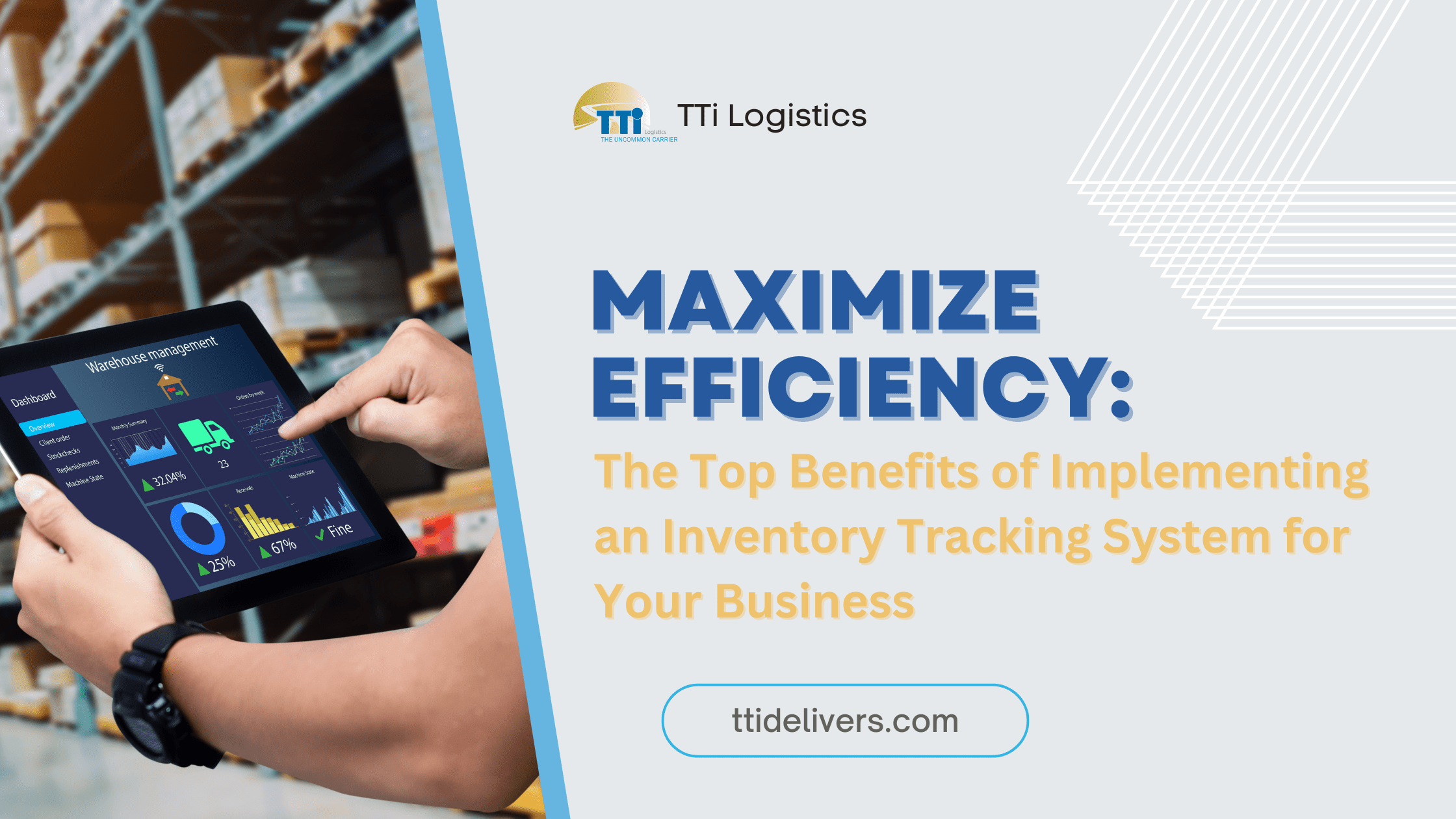
Strong visibility depends on consistent tracking across every stage of the journey, including warehousing. A shipment that is trackable on the road but disappears from view the moment it enters a warehouse creates a transparency gap, even if the rest of the process is well monitored. That’s why inventory tracking systems that extend visibility into storage and fulfillment are just as important as transportation tracking.
Data Integrity
Visibility only matters if the underlying data is accurate. Supply chain transparency built on outdated, duplicated, or incorrect data creates false confidence — arguably more dangerous than having no visibility at all, because it leads to decisions based on incorrect assumptions.
Data integrity requires clean systems, standardized processes for updating shipment status, and regular reconciliation between what the technology reports and what is physically happening on the ground. Businesses that prioritize accurate reporting capabilities are, in effect, protecting the credibility of their entire supply chain transparency strategy.
Communication
Data and visibility mean little if they aren’t communicated to the people who need them. Supply chain transparency depends on clear, proactive communication — not just the existence of information, but its timely delivery to customers, project managers, and internal teams.
This is where many organizations fall short. They may have excellent tracking technology but rely on customers or internal stakeholders to log in and check a portal rather than proactively flagging exceptions. Genuine supply chain transparency means the information comes to the people who need it, rather than requiring them to go looking for it.
Accountability
The final pillar of supply chain transparency is accountability — clarity about who owns a problem when something goes wrong. Visibility can show that a shipment is delayed. Data can confirm why. Communication can relay that information. But without a clear owner responsible for resolving the issue, transparency becomes passive rather than useful.
Strong supply chain transparency includes defined escalation paths, clear points of contact, and logistics partners willing to take ownership of exceptions rather than simply reporting them. This pillar is what separates a transparent supply chain from one that is merely observable.
Where Supply Chain Transparency Matters Most
While supply chain transparency benefits every part of a logistics operation, its impact is especially significant in a few key areas.
Warehousing and Inventory Management
Inventory sitting in a warehouse without accurate, real-time visibility is one of the most common transparency gaps in logistics. Businesses may know a shipment arrived, but not exactly where it’s stored, how much is available, or whether it’s ready for release.
Supply chain transparency in warehousing and distribution means inventory counts that update in real time, clear visibility into what’s available versus what’s allocated, and accurate reporting that supports faster decision-making during installations, rollouts, and fulfillment cycles.
Transportation and Final-Mile Delivery
Final-mile delivery is often where supply chain transparency is tested most directly, because it’s the stage customers see and feel most acutely. A missed delivery window or an unclear status update at this stage can undo the goodwill built during every earlier phase of the shipment’s journey.
Businesses that invest in direct delivery visibility and consistent status updates protect the customer relationship at the exact moment it matters most. Related strategies for tightening this stage of the process are covered in TTi’s guide to preparing networks for faster final-mile demands.
Trade Show and Event Logistics
Few logistics scenarios demand supply chain transparency as urgently as trade show shipping. Booths, displays, and materials often have a single, non-negotiable delivery deadline tied to a show’s opening day. There is no flexibility to absorb an unexpected delay.
For trade show and event logistics, supply chain transparency means knowing exactly where materials are at every stage leading up to the event, with enough advance warning to resolve any exception before it threatens the show date.
High-Value and Specialized Freight
When freight involves sensitive medical equipment, fine art, or high-value electronics, supply chain transparency isn’t just about efficiency — it’s about risk management. Businesses moving high-value products need constant visibility into condition, handling, and location, because the cost of an undetected problem is significantly higher than with standard freight.
Technology’s Role in Supply Chain Transparency
Technology has transformed what supply chain transparency can look like in practice, but it’s worth being precise about the role it plays. Technology doesn’t create transparency by itself — it creates the infrastructure that transparency depends on.
Real-time tracking, IoT sensors, automated status updates, and centralized reporting dashboards all contribute to stronger supply chain transparency by capturing and surfacing information that used to require manual follow-up. TTi has covered this shift in more depth, including the role of IoT in logistics management and how real-time tracking improves supply chain visibility.
What technology cannot do on its own is interpret that data or decide what matters. A sensor can report that a shipment’s temperature spiked for ten minutes. It takes a logistics team to determine whether that spike is significant, whether the product is still viable, and what needs to happen next. This is why the strongest supply chain transparency strategies pair technology with experienced people who can turn raw data into decisions — a theme also explored in TTi’s look at turning freight data into actionable insights.
Predictive tools are also playing a growing role in supply chain transparency. Rather than only reporting what has already happened, forecasting technology can flag potential disruptions before they occur — from weather patterns affecting a delivery route to capacity constraints during peak shipping periods. TTi’s analysis of predictive analytics for freight forecasting explores how this forward-looking visibility is reshaping planning across the industry.
Common Barriers to Supply Chain Transparency
If supply chain transparency delivers such clear value, why do so many organizations still struggle with it? A few recurring barriers explain most of the gap.
Disconnected systems. Many businesses rely on separate platforms for transportation, warehousing, and customer communication that don’t share information automatically. Data exists, but it doesn’t flow, which limits supply chain transparency even when each individual system works fine on its own.
Inconsistent data entry. Supply chain transparency depends on accurate information being logged consistently across every touchpoint. When status updates rely on manual entry that varies by location or employee, the resulting picture is incomplete no matter how sophisticated the reporting tools are.
Reactive rather than proactive communication. Some organizations only communicate shipment status when asked. Genuine supply chain transparency requires flipping that model — proactively flagging exceptions and delays before a customer has to ask what happened.
Too many vendors, too little coordination. Businesses working with multiple unconnected logistics providers often find that transparency breaks down at the handoff points between them. Consolidating functions under fewer, better-coordinated partners — a strategy explored in TTi’s guide to choosing strategic logistics alliances — can significantly improve end-to-end supply chain transparency.
Building a Culture of Supply Chain Transparency
Improving supply chain transparency isn’t a one-time project. It’s an operational discipline that has to be built into how a business and its logistics partners work together every day.
That starts with setting clear expectations about what transparency should look like: how often updates are provided, what counts as an exception worth flagging, and who is responsible for resolving issues when they arise. It continues with choosing systems and partners that treat transparency as a core service rather than an add-on feature.
Most importantly, building supply chain transparency requires treating logistics providers as partners in visibility, not just vendors executing a shipment. A provider who proactively shares information, flags problems early, and takes ownership of exceptions contributes far more to supply chain transparency than one who simply reports data on request.
The Business Case: Why Supply Chain Transparency Pays Off
Supply chain transparency isn’t just a customer service benefit — it has a measurable operational and financial impact.
Businesses with strong supply chain transparency typically see fewer emergency shipments, because problems are identified and addressed before they become urgent. They see improved inventory accuracy, because warehousing and transportation data stay aligned rather than drifting apart. They see stronger customer retention, because accurate delivery expectations build trust rather than eroding it.
Supply chain transparency also supports better long-term planning. When businesses can trust the data coming from their logistics operations, they can make more confident decisions about inventory levels, seasonal staffing, warehouse capacity, and network expansion. Without that transparency, planning becomes guesswork dressed up as strategy.
Perhaps most importantly, supply chain transparency changes how organizations respond to disruption. Businesses with strong visibility catch problems early enough to adjust. Businesses without it find out about problems only after the damage is already done.
Moving Toward a More Transparent Supply Chain
Improving transparency in global shipping isn’t about adopting a single piece of technology or implementing one new policy. It’s about aligning visibility, data integrity, communication, and accountability into a single, coordinated approach to moving freight.
The businesses that get this right don’t just track shipments — they build supply chains where information flows as reliably as the products themselves, giving every stakeholder the confidence that comes from knowing exactly what’s happening and what to expect next.