Simulating Smarter Supply Chains with Digital Twin Technology
Imagine being able to simulate, test, and improve your supply chain using current operational data—without first changing a physical shipment, warehouse layout, or delivery route. That is the opportunity digital twin technology can provide.
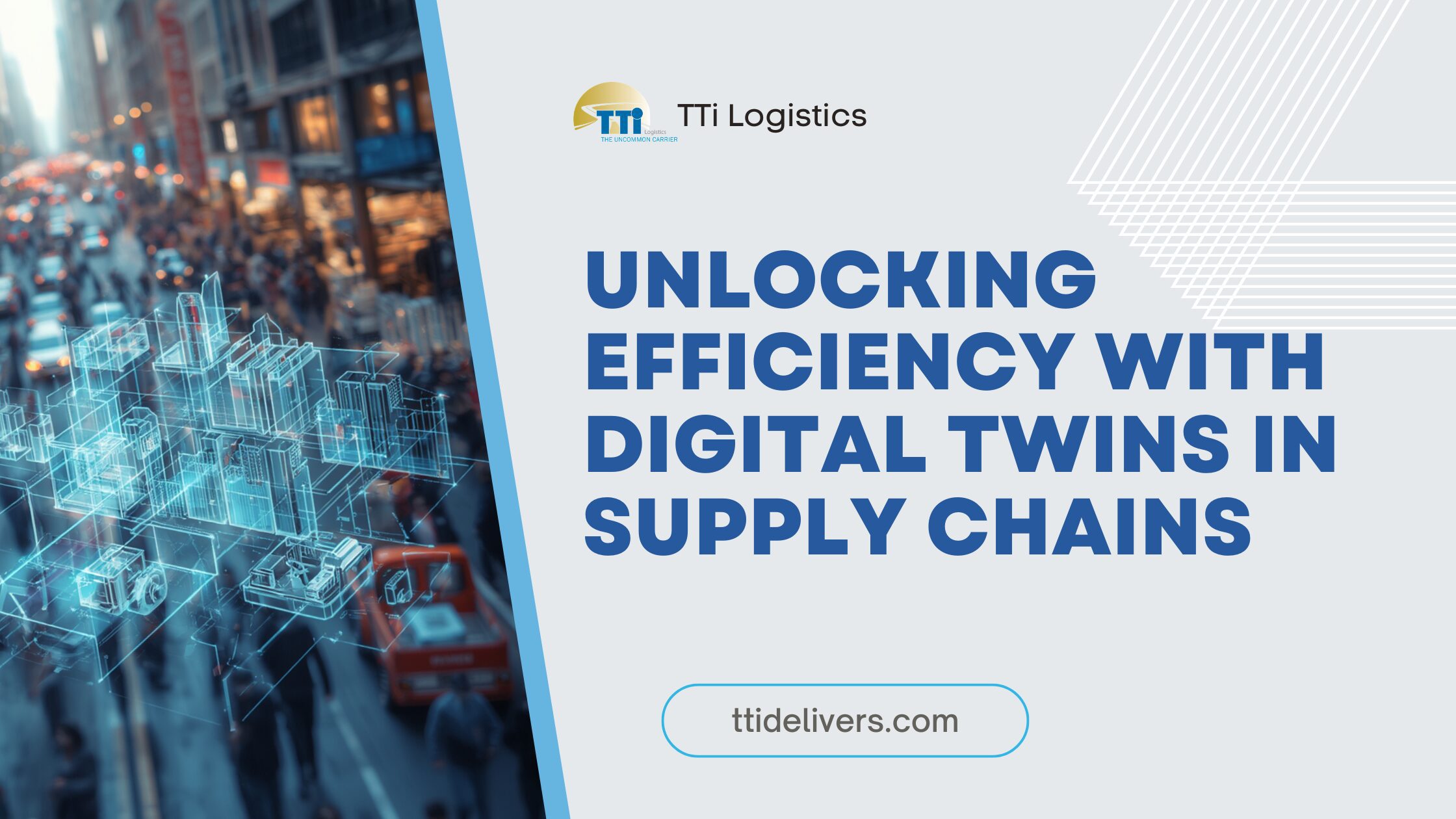
A digital twin is a virtual representation of a physical asset, process, or system. In logistics, it can replicate elements of a supply chain, from warehouses and trucks to delivery routes and inventory flow. When connected to reliable operational data, these digital models allow businesses to visualize operations, anticipate disruptions, test improvements, and identify opportunities for greater efficiency.
As logistics becomes more complex and customer expectations rise, digital twins are gaining attention from companies looking for better ways to evaluate decisions before implementing them. For TTi Logistics and its clients, the concepts behind this technology highlight the value of accurate data, connected systems, operational visibility, and informed planning across the supply chain.
How Digital Twins Improve Logistics Operations
Digital twins in logistics rely on data from physical systems, including RFID tags, GPS trackers, sensors, warehouse management systems, transportation management systems, and other enterprise software. That information is used to create and continuously update a virtual model that reflects conditions in the physical operation.
Here’s how it works:
- Data Collection: Sensors, connected devices, and operational systems gather information from warehouses, vehicles, inventory, and other assets.
- Digital Replication: That data feeds into a virtual model that represents current operating conditions.
- Simulation and Analysis: The digital twin runs “what-if” scenarios to compare strategies, examine constraints, or evaluate possible responses to disruptions.
- Optimization and Feedback: Businesses use insights from the model to adjust operations, improve performance, and reduce preventable issues.
This continuing loop of data, simulation, analysis, and action can help logistics providers make faster, better-informed decisions. The quality of those decisions, however, depends on the accuracy, completeness, and timeliness of the data supporting the model.
The Advantages of Digital Twins in Supply Chain Management
The logistics industry depends on precision and efficiency—two areas digital twins can help improve when they are supported by reliable data and clear operational objectives. Potential benefits include:
- Improved Operational Visibility: Create a more current view of inventory, vehicle activity, facility operations, and connected supply chain processes.
- Predictive Analysis: Model different scenarios to anticipate potential delays, equipment problems, capacity constraints, or demand fluctuations.
- Improved Asset Utilization: Use operating data to plan maintenance, reduce avoidable downtime, and improve how equipment and other resources are deployed.
- More Informed Demand Forecasting: Combine historical information, market trends, and current operational activity to support forecasting decisions.
- Streamlined Warehouse Operations: Simulate possible changes to storage layouts, staffing plans, automation, or inventory flows before altering the physical operation.
- Enhanced Customer Experience: Identify potential delays and fulfillment issues earlier, giving teams more time to respond and communicate with customers.
Real-World Applications of Digital Twins in Logistics
Digital twins can be applied in several ways across logistics operations. The appropriate use case depends on the organization’s systems, data maturity, operational complexity, and business objectives.
- Supply Chain Mapping and Risk Management: Visualize supply chain networks, simulate possible disruptions, and compare contingency plans.
- Transportation Route Optimization: Combine traffic, weather, capacity, delivery-window, and shipment data to evaluate routes for speed, cost, and efficiency.
- Warehouse Layout Simulation: Test potential layout, staffing, picking, and automation changes before modifying a physical facility.
- Cold Chain Monitoring: Model refrigeration performance and monitor temperature-related conditions to support product integrity and applicable compliance requirements.
- Equipment Health and Maintenance: Use operating and wear data from trucks, forklifts, conveyor systems, and other equipment to anticipate maintenance needs.
How TTi Logistics Supports Digital-Twin Readiness
At TTi Logistics, we believe technology should empower—not overwhelm—our clients. Although a full digital twin requires specialized modeling and deep systems integration, the first step is building a reliable foundation of connected operational data.
TTi Logistics supports that foundation through real-time shipment tracking, warehouse management system integration, inventory visibility, route planning, performance reporting, and coordinated project management. These capabilities help clients understand what is happening across their logistics operations and make decisions using more complete information.
Centralized Data-Driven Visibility: TTi Logistics uses integrated technology platforms to bring together information from warehouse, transportation, inventory, and shipment-tracking systems. Depending on the operation, this can provide clients with:
- Real-time insights into shipment progress
- Proactive updates about potential delays or exceptions
- Inventory and asset visibility through WMS technology
- Performance reporting across fulfillment, storage, transportation, and delivery
Scenario Planning for Complex Logistics Challenges: Reliable operational data also gives logistics teams a stronger foundation for comparing strategies before making physical changes. Depending on the use case, businesses may evaluate:
- Potential costs and resource requirements
- Alternative transportation routes or delivery schedules
- Warehouse workflows and inventory-placement strategies
- Possible service disruptions and contingency plans
Digital twin modeling can extend these capabilities by creating a more detailed virtual environment for testing scenarios. Organizations considering that step should first determine whether their existing systems provide the accurate, connected data the model will require.
The Future of Digital Twins in the Logistics Industry
As logistics operations continue to digitize, digital twins are expected to become more closely integrated with artificial intelligence, machine learning, advanced analytics, and automated decision-support tools. These connections could improve predictions, accelerate scenario analysis, and help teams identify appropriate responses to changing conditions.
Some organizations are also exploring broader digital twin ecosystems—connected models that represent suppliers, warehouses, transportation assets, inventory, and customer deliveries. These models can help decision-makers examine how a change or disruption in one part of the supply chain could affect other operations.
Digital twins can also support sustainability planning by modeling how routing, facility design, inventory placement, transportation modes, and other logistics decisions may affect fuel consumption, emissions, energy use, and waste.
These capabilities do not eliminate uncertainty or replace experienced logistics professionals. Instead, they provide another source of information that teams can use alongside operational experience, customer requirements, and real-world judgment.
Why Explore Digital Twin Technology?
Digital twins can help organizations reduce uncertainty, compare operational choices, and identify potential improvements before committing resources to physical changes. They may be especially valuable for complex, interconnected operations in which disruptions or planning errors can create significant downstream consequences.
However, not every logistics operation needs a comprehensive digital twin. The potential value depends on the business problem being addressed, the availability of accurate data, the maturity of connected systems, and whether the insights produced can lead to practical action.
At TTi Logistics, we are committed to helping clients use practical technology to improve visibility, coordination, and performance without creating unnecessary complexity in their daily operations.
Whether you are evaluating warehouse improvements, transportation routes, inventory visibility, or a broader supply chain modeling initiative, the first step is establishing reliable data and a clear operational objective.
Ready to Strengthen Your Supply Chain Technology Strategy?
TTi Logistics combines real-time tracking, inventory visibility, WMS integration, route planning, performance reporting, and hands-on project coordination to help clients make more informed logistics decisions.