How Fleet Analytics Improve Performance and Reduce Costs
Fleet vehicles are among the largest capital investments many organizations make. Whether supporting dedicated transportation, white glove delivery, retail rollouts, or specialized logistics operations, every truck, trailer, and service vehicle represents a significant financial commitment. Replacing equipment too early can strain budgets, while operating aging assets without proper oversight can increase maintenance costs, downtime, and service disruptions.
The good news is that businesses no longer have to rely on mileage alone when making fleet decisions. Modern technology has transformed how organizations monitor vehicle performance, predict maintenance needs, and maximize equipment life. At the center of this transformation is fleet analytics.
After more than 30 years in the logistics industry, TTi Logistics understands that successful fleet management is about more than keeping vehicles on the road. It’s about using data to make smarter operational decisions. By leveraging fleet analytics, organizations can identify trends, improve maintenance planning, reduce operating costs, and extend the useful life of their fleet without sacrificing reliability or customer service.
What Are Fleet Analytics?
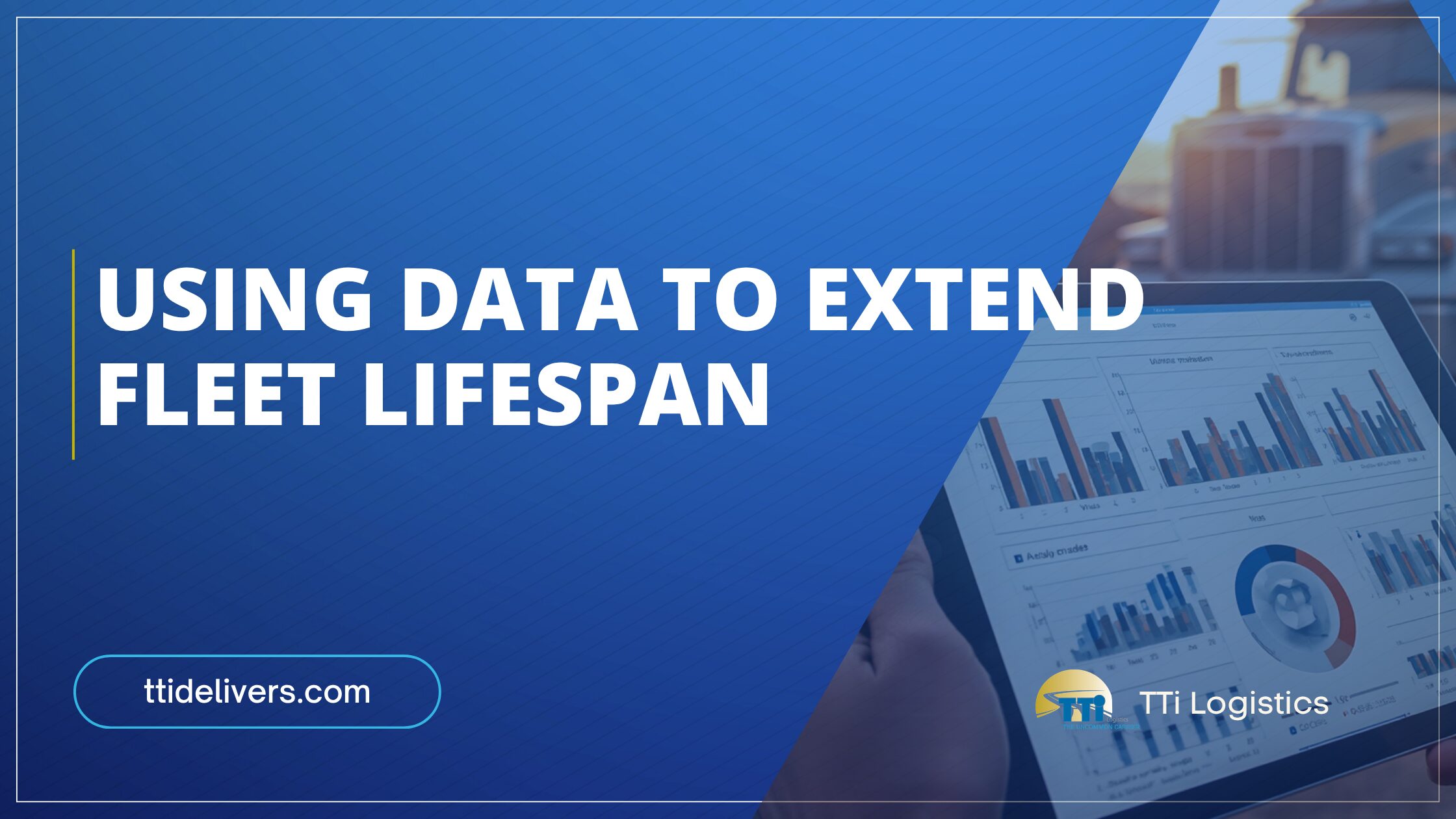
As logistics operations become more complex, the amount of data generated by commercial vehicles continues to grow. Telematics systems, onboard diagnostics, GPS tracking, fuel management platforms, and maintenance software all produce valuable information that can help organizations better understand fleet performance. The challenge isn’t collecting data—it’s knowing how to use it effectively.
When properly implemented, fleet analytics brings these different data sources together into a centralized view of fleet health and performance. Instead of reviewing reports in isolation, fleet managers can identify trends across the entire operation and make decisions based on real-time information rather than assumptions.
Over time, this data-driven approach allows businesses to establish performance benchmarks, identify recurring issues, and continuously improve maintenance strategies. Organizations that embrace fleet analytics often discover opportunities for cost savings and operational improvements that would otherwise remain hidden.
Moving Beyond Preventive Maintenance
Preventive maintenance has long been considered a best practice, but today’s fleets require a more dynamic approach. Fixed maintenance schedules cannot account for differences in operating environments, cargo types, or driver behavior. Vehicles traveling long highway routes may experience significantly different wear than those operating in dense urban environments with frequent stops.
Fleet analytics allows maintenance programs to adapt to actual vehicle conditions rather than generalized service intervals. By monitoring engine performance, fluid conditions, diagnostic codes, and operating hours, organizations can schedule maintenance based on real-world needs.
This approach minimizes unnecessary downtime while reducing the likelihood of unexpected failures. Instead of taking vehicles out of service too early or waiting until a component fails, businesses can maximize the useful life of each asset through smarter maintenance planning.
Identifying Small Problems Before They Become Major Repairs
Minor mechanical issues rarely stay minor for long. A small vibration, slight increase in engine temperature, or gradual decline in battery performance can quickly evolve into major repairs if left unaddressed.
One of the greatest strengths of fleet analytics is its ability to detect these subtle changes early. Continuous monitoring allows maintenance teams to recognize abnormal operating patterns before drivers even notice a problem.
Addressing repairs proactively often reduces labor costs, minimizes downtime, and prevents damage to related components. Over time, this proactive maintenance strategy significantly contributes to extending overall fleet lifespan while improving vehicle reliability.
Improving Driver Behavior Through Data
Every driver operates differently, and those differences have a measurable impact on vehicle performance.
Aggressive driving habits increase stress on engines, transmissions, suspension systems, brakes, and tires. Excessive speeding may shorten travel times in the short term, but it often results in higher maintenance expenses over the long term.
Using fleet analytics, organizations can identify patterns such as excessive idling, harsh braking, rapid acceleration, or repeated speeding events. These insights create opportunities for coaching rather than discipline, helping drivers understand how their habits affect equipment longevity.
Many businesses also use driver scorecards and incentive programs based on fleet analytics to encourage safer, more efficient driving. Positive reinforcement often leads to measurable improvements in fuel efficiency, safety, and maintenance costs.
Reducing Fuel Consumption and Engine Wear
Fuel efficiency is influenced by much more than engine design. Route selection, driving behavior, vehicle condition, tire pressure, weather, and idle time all contribute to fuel usage.
With fleet analytics, organizations can monitor these variables simultaneously to identify where fuel is being wasted. This allows fleet managers to address inefficiencies before they become ongoing operating expenses.
Reducing idle time is one of the quickest opportunities for improvement. Vehicles that spend excessive time idling consume fuel unnecessarily while accelerating engine wear. Monitoring idle patterns through fleet analytics helps organizations establish policies that improve efficiency without impacting productivity.
Small improvements in fuel management often produce significant savings when multiplied across an entire fleet over the course of a year.
Optimizing Routes to Reduce Vehicle Stress
Route optimization has traditionally focused on reducing mileage or travel time. Today, organizations are expanding that approach by considering vehicle health as part of the routing process.
Repeated travel over rough roads, steep terrain, or congested city streets can place additional stress on fleet equipment. While these routes may occasionally be unavoidable, fleet analytics helps businesses identify patterns that contribute to accelerated wear.
By balancing operational efficiency with equipment preservation, organizations can reduce maintenance requirements while still meeting customer expectations. Smarter routing decisions also improve scheduling consistency and create more predictable maintenance planning.
Over time, these incremental improvements can extend the lifespan of an entire fleet.
Monitoring Tire Performance
Tires directly affect fuel efficiency, braking performance, safety, and overall operating costs. Despite their importance, tire management is often treated as a routine maintenance task rather than a strategic performance metric.
Modern fleet analytics platforms provide continuous visibility into tire pressure, temperature, tread wear, and maintenance history. This information allows fleet managers to address issues before they lead to blowouts, uneven wear, or unnecessary replacements.
Proper tire maintenance also reduces rolling resistance, which contributes to improved fuel economy. Extending tire life while lowering fuel consumption creates a measurable return on investment that benefits the entire fleet.
Making Better Replacement Decisions
Fleet replacement decisions represent one of the largest financial commitments transportation organizations make. Determining the ideal replacement timeline requires balancing maintenance expenses, resale value, reliability, and capital budgets.
Rather than relying on generalized replacement schedules, fleet analytics provides objective data that supports more informed decisions. Vehicle utilization, repair frequency, downtime history, operating costs, and fuel efficiency all contribute to a more complete understanding of fleet performance.
This level of insight helps organizations maximize the return on every vehicle investment while reducing unnecessary capital expenditures.
Improving Fleet Utilization
Fleet utilization is often overlooked when evaluating overall performance. Some vehicles operate continuously while others remain idle for extended periods, creating an imbalance that shortens the lifespan of heavily used assets.
Using fleet analytics, businesses can evaluate utilization rates across the entire fleet and redistribute workloads more effectively. Balanced utilization reduces excessive wear on individual vehicles while increasing the value generated from underused assets.
Improved utilization also supports more predictable maintenance scheduling and helps organizations postpone unnecessary fleet expansion by making better use of existing equipment.
Strengthening Compliance and Safety
Compliance extends far beyond meeting regulatory requirements. It also plays a significant role in protecting employees, customers, and company assets.
Through fleet analytics, organizations can automate inspection reminders, maintenance schedules, licensing requirements, and vehicle health monitoring. Automated alerts reduce the risk of missed inspections while helping ensure vehicles remain roadworthy.
Strong compliance programs also support insurance performance, reduce accident risk, and improve customer confidence. Organizations that consistently monitor fleet performance create safer operating environments while extending equipment lifespan.
Building a Data-Driven Fleet Culture
Implementing technology is only the first step. Organizations achieve the greatest value when employees throughout the business understand how to use data to improve decision-making.
Maintenance teams can identify recurring repair trends. Dispatchers can optimize scheduling. Safety managers can improve driver coaching. Executives can evaluate long-term capital planning.
When everyone works from the same information, fleet analytics becomes a strategic business tool rather than simply another reporting system.
Creating a culture centered around continuous improvement encourages collaboration across departments and helps organizations adapt more effectively as operational demands evolve.
Businesses that begin investing in fleet analytics today will be better prepared to adopt emerging technologies as they become available. Rather than simply extending fleet lifespan, they’ll build transportation operations that are more resilient, efficient, and adaptable for years to come.
Partner With TTi Logistics for Smarter Fleet Strategies
At TTi Logistics, we understand that efficient fleet management is essential to delivering reliable logistics solutions. Our dedicated fleet services are supported by technology, operational expertise, and decades of transportation experience that help customers move freight safely, efficiently, and cost-effectively.
With more than 30 years of logistics experience, a nationwide transportation network, specialized equipment, real-time shipment visibility, and a commitment to operational excellence, TTi helps businesses make smarter transportation decisions every day.
By leveraging fleet analytics to improve maintenance planning, monitor performance, optimize utilization, and reduce unnecessary costs, organizations can extend fleet lifespan while delivering better service to their customers.
In today’s competitive logistics environment, data is one of the most valuable assets a fleet can have. Businesses that invest in fleet analytics aren’t simply maintaining vehicles—they’re building stronger, more resilient transportation operations that are prepared for the future.